
The Complete Guide to Mortgages in the UK: Everything You Need to Know Before You Borrow.
From deposits and LTV ratios to fixed versus tracker deals and remortgaging, a plain-English walkthrough of the UK mortgage market — and why running the numbers should always be your first step.
Property Correspondent · 13 May 2026 · 12 min read
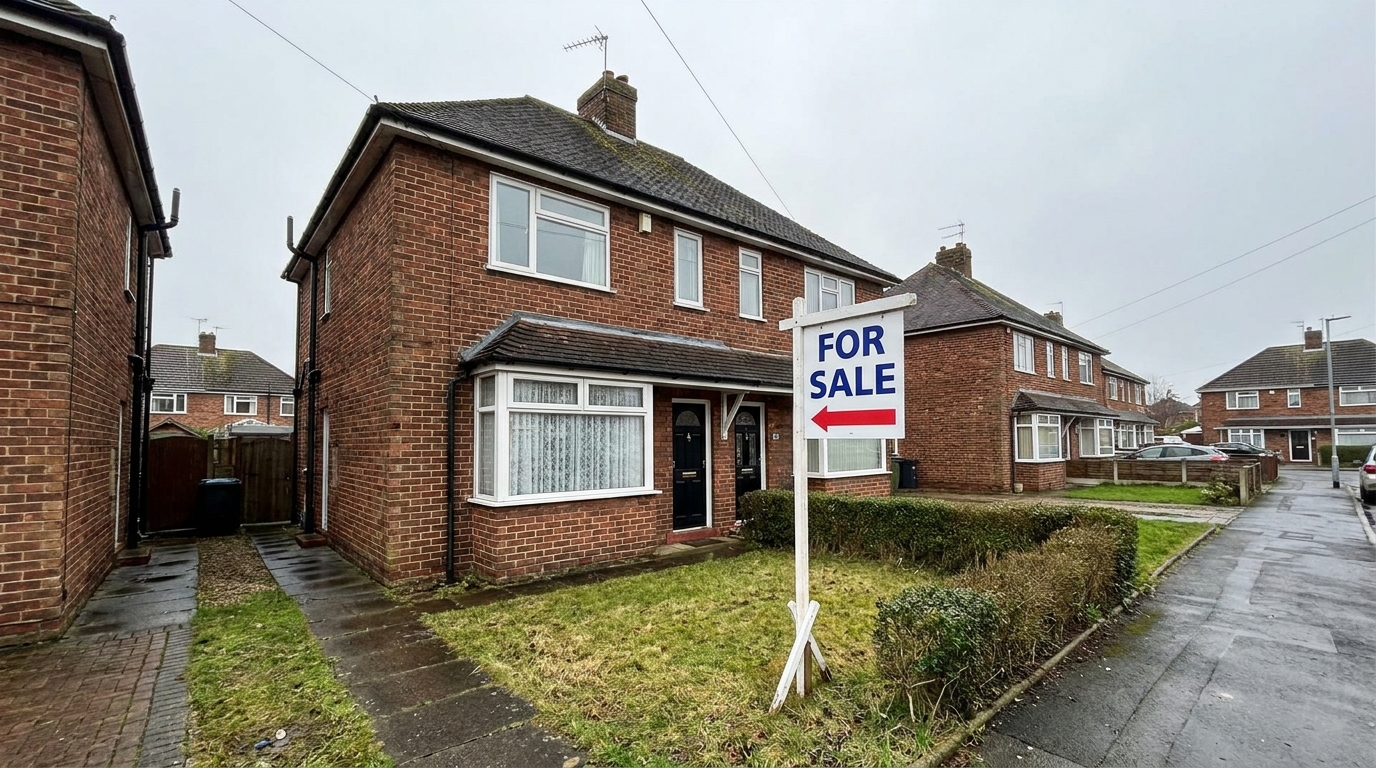
Buying a home is one of the most significant financial decisions you'll ever make, and for the vast majority of people in the UK, that journey begins with a mortgage. Whether you're a first-time buyer saving for your initial deposit, a homeowner considering remortgaging, or an investor exploring buy-to-let opportunities, understanding how mortgages work is essential to making informed choices that could save you tens of thousands of pounds over the life of your loan.
This comprehensive guide walks you through everything you need to know about mortgages in the UK, from the different types available to how lenders assess your application, and why using a mortgage calculator should be your very first step.
What Is a Mortgage?
A mortgage is a loan secured against a property. In simple terms, a lender (usually a bank or building society) provides you with the funds to purchase a home, and in return, you agree to repay that loan over an agreed period, typically 25 to 35 years, with interest. The property itself acts as security, which means if you fail to keep up with repayments, the lender has the legal right to repossess your home.
Mortgages in the UK are regulated by the Financial Conduct Authority (FCA), which ensures lenders treat borrowers fairly and conduct thorough affordability assessments before approving loans.
Understanding the Key Components of a UK Mortgage
Before diving into the types of mortgages available, it's important to understand the core elements that make up any mortgage agreement.
The deposit is the lump sum you pay upfront towards your property purchase. In the UK, deposits typically range from 5% to 25% of the property's value, though larger deposits generally unlock better interest rates. The loan-to-value (LTV) ratio expresses the size of your mortgage as a percentage of the property's value. For example, if you're buying a £300,000 home with a £60,000 deposit, your LTV is 80%. Lower LTV ratios are considered less risky by lenders and usually result in more favourable rates.
The interest rate determines how much you'll pay on top of the amount borrowed, while the term is the length of time over which you'll repay the loan. Longer terms mean lower monthly payments but significantly more interest paid overall. This is precisely why running the numbers through a mortgage calculator before committing is so important — small changes in rate or term can mean the difference of tens of thousands of pounds.
Types of Mortgages Available in the UK
The UK mortgage market offers a wide variety of products designed to suit different financial circumstances and risk appetites.
Fixed-Rate Mortgages
A fixed-rate mortgage locks in your interest rate for a set period, usually two, three, five, or ten years. Your monthly payments remain the same throughout this period, regardless of what happens with the Bank of England base rate. This predictability makes fixed-rate deals particularly popular with first-time buyers and anyone on a tight budget who values certainty. The trade-off is that you won't benefit if interest rates fall, and early repayment charges typically apply if you want to exit the deal before the fixed period ends.
Variable-Rate Mortgages
Variable-rate mortgages come in several forms. A tracker mortgage follows the Bank of England base rate plus a set percentage, so your payments rise and fall in line with broader interest rate movements. A standard variable rate (SVR) is set by your lender and can be changed at their discretion — most borrowers end up on their lender's SVR after their initial fixed or tracker deal expires, which is usually when remortgaging makes sense. A discount mortgage offers a reduction off the lender's SVR for a set period.
Interest-Only Mortgages
With an interest-only mortgage, your monthly payments cover only the interest, not the capital. The full loan amount remains outstanding at the end of the term and must be repaid in a lump sum. These mortgages are now mostly restricted to buy-to-let investors or high-net-worth borrowers with credible repayment strategies, as lenders require evidence of how you'll repay the capital.
Repayment Mortgages
The vast majority of UK residential mortgages are repayment mortgages, where each monthly payment covers both interest and a portion of the capital. By the end of the term, the loan is fully repaid and you own your home outright.
Buy-to-Let Mortgages
Designed for landlords, buy-to-let mortgages typically require larger deposits (usually 25% or more) and are assessed based on expected rental income rather than just personal salary. Interest rates tend to be higher, and most buy-to-let loans are interest-only.
Help to Buy and Shared Ownership
While the government's Help to Buy equity loan scheme in England ended in 2023, shared ownership remains a popular route for first-time buyers. Under shared ownership, you purchase a portion of a property (typically 25% to 75%) and pay rent on the remainder. The First Homes scheme and the Mortgage Guarantee Scheme, extended in recent years, also continue to support buyers with smaller deposits.
How Much Can You Borrow?
This is the question every prospective borrower asks, and it's where a mortgage calculator becomes invaluable. Most UK lenders will offer between four and four-and-a-half times your annual income, though some may stretch to five or even six times for borrowers with strong financial profiles. However, the headline multiple is only part of the story.
Lenders also conduct detailed affordability assessments, scrutinising your monthly outgoings, existing debts, dependants, and lifestyle costs. Credit card balances, car finance, student loans, childcare costs, and even regular subscriptions all factor into how much they'll actually lend you. Stress testing also plays a role: lenders must assess whether you could still afford repayments if interest rates rose significantly.
Using a mortgage calculator before you start house hunting gives you a realistic picture of what you can afford. The best mortgage calculators allow you to input your income, deposit, term, and interest rate to estimate both your maximum borrowing capacity and your monthly repayments. This helps you set a sensible property budget and avoid falling in love with homes that are out of reach.
The Costs Beyond the Deposit
Many first-time buyers underestimate the additional costs involved in purchasing a home. Beyond your deposit, you'll need to budget for stamp duty land tax (which varies based on property value, location within the UK, and whether you're a first-time buyer or additional property purchaser), solicitor or conveyancing fees, mortgage arrangement fees, valuation and survey costs, and removal expenses. As a rough guide, you should allow at least 2% to 5% of the property's value for these extras.
A comprehensive mortgage calculator will often include options to factor in stamp duty and fees, giving you a true picture of the total cost of homeownership.
How to Improve Your Chances of Mortgage Approval
Lenders are looking for evidence that you're a reliable borrower, and there are several things you can do to strengthen your application. Start by checking your credit report with all three major agencies (Experian, Equifax, and TransUnion) and correcting any errors. Register on the electoral roll at your current address, pay down existing debts where possible, and avoid applying for new credit in the months leading up to your mortgage application.
Demonstrating consistent saving habits also helps, as does maintaining stable employment. If you're self-employed, you'll typically need at least two years of accounts or SA302 tax calculations to be considered. Saving a larger deposit not only improves your LTV but also opens up access to a much wider range of competitive mortgage products.
Fixed vs Variable: Which Should You Choose?
This decision comes down to your personal circumstances and outlook. If you value budget certainty and are concerned about potential rate rises, a fixed-rate deal offers peace of mind. If you believe rates are likely to fall and you have the financial flexibility to absorb potential increases, a tracker mortgage could save you money.
The length of your fixed period also matters. Two-year fixed deals typically offer the lowest rates but mean you'll face arrangement fees and remortgaging hassle more frequently. Five-year fixes provide longer-term stability but at slightly higher rates. Running different scenarios through a mortgage calculator helps you compare the total cost of each option over the long term.
Remortgaging: When and Why
Remortgaging means switching your existing mortgage to a new deal, either with your current lender (a product transfer) or a different one. Most homeowners remortgage when their initial fixed or tracker period ends to avoid being moved onto their lender's standard variable rate, which is almost always significantly more expensive.
You might also remortgage to release equity from your home, to consolidate debts, to fund home improvements, or simply to take advantage of better rates available in the market. A mortgage calculator can quickly show whether remortgaging will save you money once early repayment charges and arrangement fees are factored in.
The Application Process
The UK mortgage application process typically begins with an agreement in principle (AIP), sometimes called a decision in principle, which gives you an indication of how much a lender would be willing to lend based on a soft credit check and basic financial information. This is useful for showing estate agents and sellers that you're a serious buyer.
Once you've had an offer accepted on a property, you'll submit a full application with supporting documentation: payslips, bank statements, proof of deposit, ID, and proof of address. The lender will arrange a property valuation, and assuming everything checks out, they'll issue a formal mortgage offer, typically valid for three to six months. Your solicitor then handles the legal work, and completion usually follows several weeks later.
Using a Mortgage Calculator: Your Most Important Tool
Throughout this guide, we've repeatedly emphasised the importance of a mortgage calculator, and for good reason. Before you visit a single property, speak to a single lender, or even decide whether buying makes sense for you right now, you should be running numbers through a reliable mortgage calculator.
A good mortgage calculator will help you understand your monthly repayments at different interest rates and terms, estimate the total cost of borrowing over the full term, compare repayment versus interest-only options, assess affordability based on your income and outgoings, and model the impact of overpayments on reducing your term and total interest. By experimenting with different scenarios, you gain a clear understanding of how much house you can comfortably afford and which mortgage structure works best for your situation.
Should You Use a Mortgage Broker?
While you can apply directly to lenders, working with a mortgage broker gives you access to deals across the whole market, including some that aren't available to consumers directly. A good broker will assess your circumstances, recommend suitable products, and handle much of the paperwork on your behalf. Many brokers are fee-free, earning their income from commission paid by the lender, while others charge a flat fee. Whole-of-market brokers are generally preferred over those tied to a limited panel of lenders.
Final Thoughts
Taking out a mortgage is a long-term commitment that will shape your finances for decades. The good news is that with proper research, careful budgeting, and the right professional advice, you can secure a deal that fits your circumstances and supports your goals. Start with a mortgage calculator to understand the numbers, get your finances in order before applying, and don't be afraid to seek independent advice from a qualified broker or adviser.
The UK mortgage market is competitive, and lenders are constantly updating their products and rates in response to economic conditions. Staying informed, comparing options thoroughly, and reviewing your mortgage regularly through remortgaging are the keys to making this enormous financial commitment work in your favour.
This article is for general informational purposes only and does not constitute financial advice. Your home may be repossessed if you do not keep up repayments on your mortgage. Always seek advice from a qualified mortgage adviser before making any borrowing decisions.